
- November 2, 2026
Is Your Brand as Consistent as You Think? A Guide to Conducting a Brand Audit
- By: Zoe Hipel
Your brand is more than just a logo. It's every interaction someone has with your business. But are all those interactions telling the same story? Marketing?
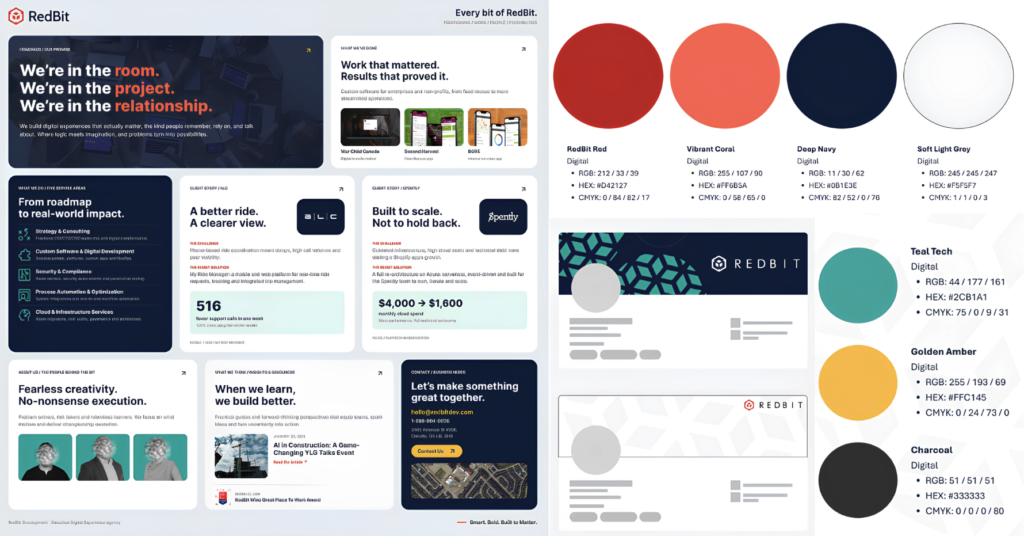
Think about the last time you interacted with a business. Maybe you discovered them on Instagram, visited their website, received an email, or picked up one of their business cards.
Did everything feel like it came from the same company?
A strong brand creates a recognizable and consistent experience across every touchpoint. From the colours on your website to the tone of your emails, each element contributes to how customers perceive your business. But as businesses grow, branding can become fragmented. Different employees create their own documents, social media content evolves, websites get updated, and marketing materials are developed without a consistent strategy. Before you know it, your business may be presenting several different versions of itself.
That’s where a brand audit comes in.
What Is a Brand Audit, and Why Does It Matter?
A brand audit is a comprehensive review of how your business presents itself across its various marketing channels and customer interactions. It’s an opportunity to evaluate whether your visual identity, messaging, and overall customer experience align with your brand’s values, personality, and business goals. While branding is often associated with logos and colour palettes, a proper brand audit goes much further. It examines the entire customer journey, from the first time someone discovers your business to the communications they receive after becoming a customer.
The goal isn’t simply to make everything look the same. It’s to create a cohesive brand experience that builds recognition, trust, and credibility.
So, how do you know if your brand is delivering that experience? Let’s walk through the key areas every business should review.
1. Start With Your Brand Identity
Before reviewing your marketing materials, you need to understand what your brand is supposed to represent. Your brand identity should establish a clear foundation for how your business looks, sounds, and communicates.
Ask yourself:
Do we have established brand guidelines?
Are our logo variations being used correctly?
Do we have a consistent colour palette and typography?
Is our brand personality clearly defined?
Can our employees explain what makes our business different from competitors?
Are our mission, values, and key messages reflected in our marketing?
If your team doesn’t have access to clear brand guidelines, maintaining consistency becomes significantly more difficult.
What to look for: A documented brand identity that employees, designers, and external partners can easily reference.
2. Review Your Website
Your website is often one of the first places potential customers interact with your business. It should immediately communicate who you are, what you offer, and why someone should choose you. But a website audit isn’t just about whether the design looks good. It’s about whether the entire experience aligns with your brand.
Ask yourself:
Does our website visually align with our other marketing materials?
Are our fonts, colours, logos, and imagery consistent?
Is our messaging clear across every page?
Does our website reflect our current services and business goals?
Is the navigation intuitive and user-friendly?
Are our calls to action clear and consistent?
Does the website work well on mobile devices?
Are our contact information and business details accurate?
Your website should feel like a natural extension of your brand, not a completely separate experience.
What to look for: A website that combines cohesive design, clear messaging, and a user-friendly experience.
3. Evaluate Your Social Media Presence
Social media is where many businesses begin to lose brand consistency. With multiple platforms, content creators, and changing trends, it’s easy for your brand identity to become diluted. While your content should be adapted for each platform, your overall brand should remain recognizable.
Ask yourself:
Are we using consistent profile pictures, logos, and business descriptions?
Do our graphics follow an established visual style?
Is our tone of voice consistent across platforms?
Are we using photography and imagery that reflect our brand?
Does our content communicate our expertise and values?
Are we maintaining a consistent approach to messaging?
Do our social media profiles direct audiences to the correct website and contact information?
Consistency doesn’t mean every post needs to look identical. It means someone should be able to recognize your brand without always seeing your logo.
What to look for: A recognizable visual identity and brand voice that remain consistent while adapting to different platforms and audiences.
4. Don’t Overlook Your Internal Communications
This is one of the most overlooked areas of brand consistency. Businesses often invest significant time and money into external marketing while forgetting about the materials their own employees create every day. Think about how many branded documents leave your organization. Proposals, presentations, invoices, email signatures, reports, and even meeting materials all contribute to your brand image.
Ask yourself:
Do employees use standardized email signatures?
Are branded PowerPoint and document templates available?
Do our proposals and reports follow consistent formatting?
Are employees using approved logo files?
Do teams know where to access current brand assets?
Are our internal templates aligned with our external marketing materials?
When employees create their own versions of branded materials, inconsistencies can quickly multiply.
What to look for: Accessible brand resources and standardized templates that make it easy for employees to represent your business consistently.
5. Examine Your Brand Messaging and Tone of Voice
Your brand isn’t just what people see. It’s also what they read and hear. The language you use in marketing materials, customer emails, website content, and social media contributes to your brand personality. Imagine a company with a friendly, approachable website but overly formal and complicated email communications. Even if the visual branding is consistent, the experience may feel disconnected.
Ask yourself:
Does our messaging sound like the same company across every platform?
Have we clearly defined our brand’s tone of voice?
Are we communicating our value proposition consistently?
Do our marketing materials speak to the same target audience?
Are we using consistent terminology when describing our services?
Does our messaging reflect our business’s current direction?
Your tone may change depending on the situation, but your brand personality should remain consistent.
What to look for: Clear, recognizable messaging that reinforces who you are and what your business stands for.
6. Walk Through the Customer Experience
Now it’s time to look at your business from your customer’s perspective. This is where a brand audit becomes particularly valuable. Put yourself in the shoes of someone discovering your business for the first time. Imagine they find you through a social media post, click through to your website, submit an inquiry, receive a response, and eventually become a customer.
Does the experience feel connected?
Ask yourself:
Is our brand recognizable at every stage of the customer journey?
Are customers receiving consistent information across different channels?
Does our communication style remain consistent before and after a sale?
Are our customer-facing documents professionally branded?
Does the overall experience reflect the expectations created by our marketing?
Are there any touchpoints where the experience feels disconnected?
A cohesive brand should create familiarity and confidence throughout the entire customer journey.
What to look for: A seamless experience where every interaction reinforces the same brand identity and expectations.
7. Identify the Gaps and Create an Action Plan
Once you’ve reviewed your brand across these touchpoints, the next step is identifying where improvements are needed. Not every inconsistency requires a complete rebrand. Sometimes, the solution is as simple as creating standardized templates, updating outdated marketing materials, or developing clear brand guidelines.
Start by identifying:
What’s working: Which elements already represent your brand effectively?
What’s inconsistent: Where are customers encountering different versions of your brand?
What’s outdated: Which materials no longer reflect your business?
What’s missing: Are there brand guidelines, templates, or processes that need to be developed?
What’s the priority: Which improvements will have the greatest impact on your customer experience?
From there, create a realistic action plan with clear responsibilities and timelines.
Remember, a brand audit isn’t meant to be a one-time exercise. As your business grows, your brand should evolve with it. Regular reviews help ensure your marketing continues to support your business objectives.
The Bottom Line: Consistency Builds Recognition
A strong brand isn’t built through one great logo, a beautiful website, or an engaging social media presence. It’s built through the collective experience people have with your business. Every email, presentation, website visit, social media post, and customer interaction is an opportunity to reinforce who you are. And when those touchpoints work together, your brand becomes more recognizable, professional, and trustworthy.
The question is: Are all the pieces of your brand working together, or are they telling different stories?
Not Sure Where Your Brand Stands? Let’s Connect.
If you’ve worked through these checkpoints and realized that your business doesn’t have established brand guidelines, consistent marketing materials, or a clear process for maintaining brand cohesion, you’re not alone As businesses grow, it’s easy for branding to become inconsistent without anyone noticing.
At The Digital Duo & Co., we help businesses take a closer look at their digital presence, identify opportunities for improvement, and develop strategies that bring their brand together. Whether you need support reviewing your website, refining your digital marketing strategy, or creating a more cohesive brand experience, we’d love to hear from you.
If these checkpoints aren’t something your business is regularly reviewing, let’s connect and see how we can strengthen your brand together.